Spring
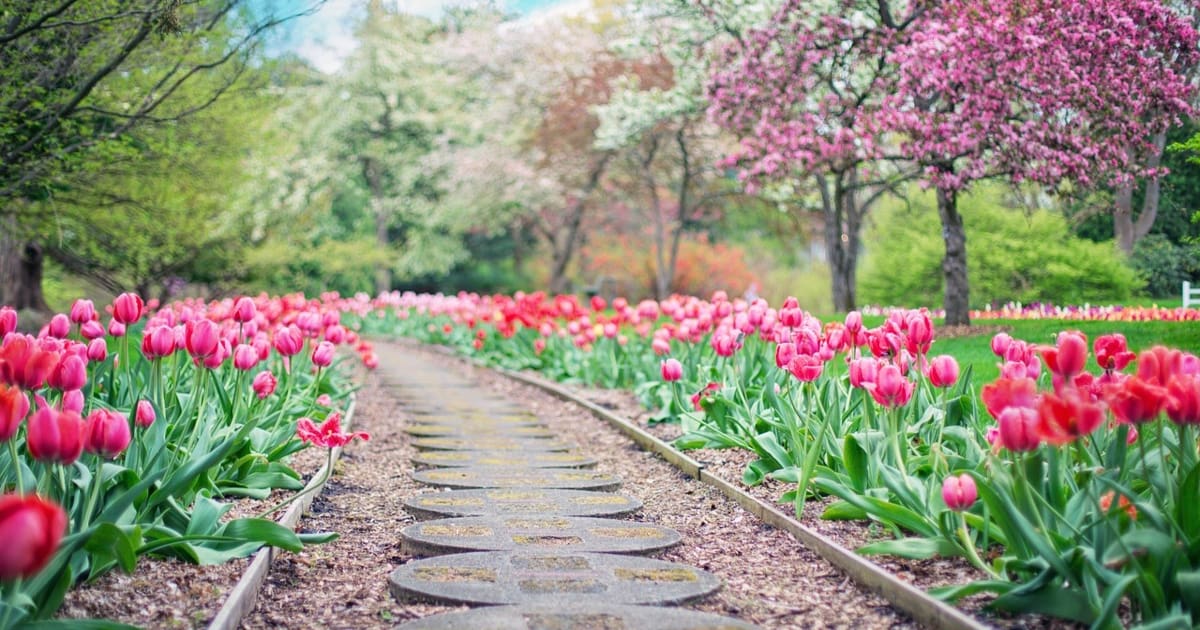
It is the season of transition and rebirth, characterized by a gradual increase in temperatures and longer days as the hemisphere tilts toward the sun. During this period, nature awakens from its winter slumber: melting snow and frequent rains nourish the soil, causing plants to bloom, leaves to sprout on trees, and the reproductive cycles of many animal species to begin as they return from their migrations or emerge from hibernation.
Summer
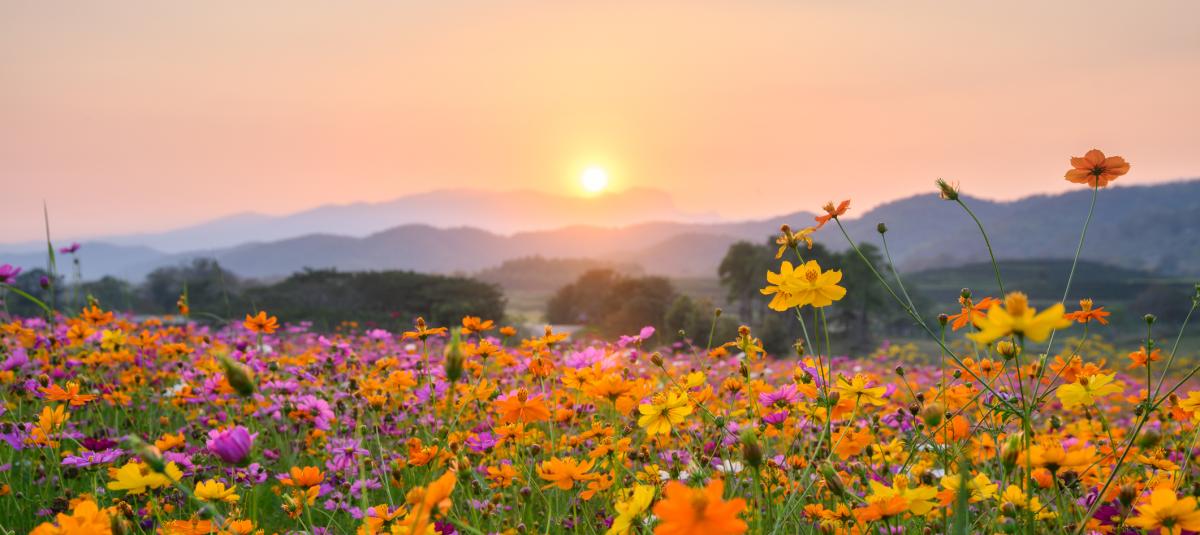
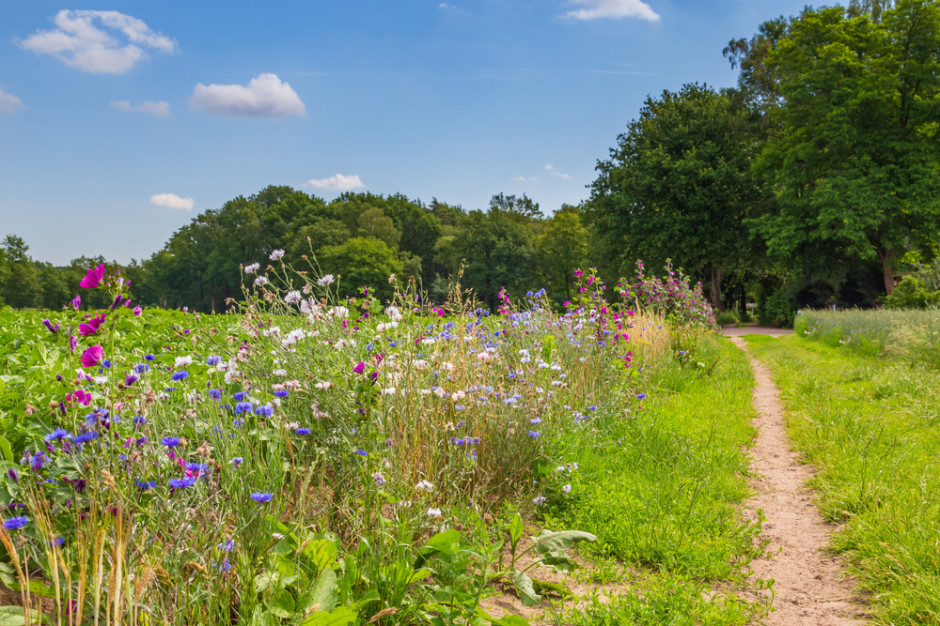
It is the warmest time of year, characterized by the longest days and shortest nights because the sun's rays strike the hemisphere more directly. During this season, solar radiation and high temperatures accelerate crop development, making it a period of peak biological activity, abundant food, and maturity in ecosystems. It is also traditionally the time of greatest social and recreational activities.
Autumn
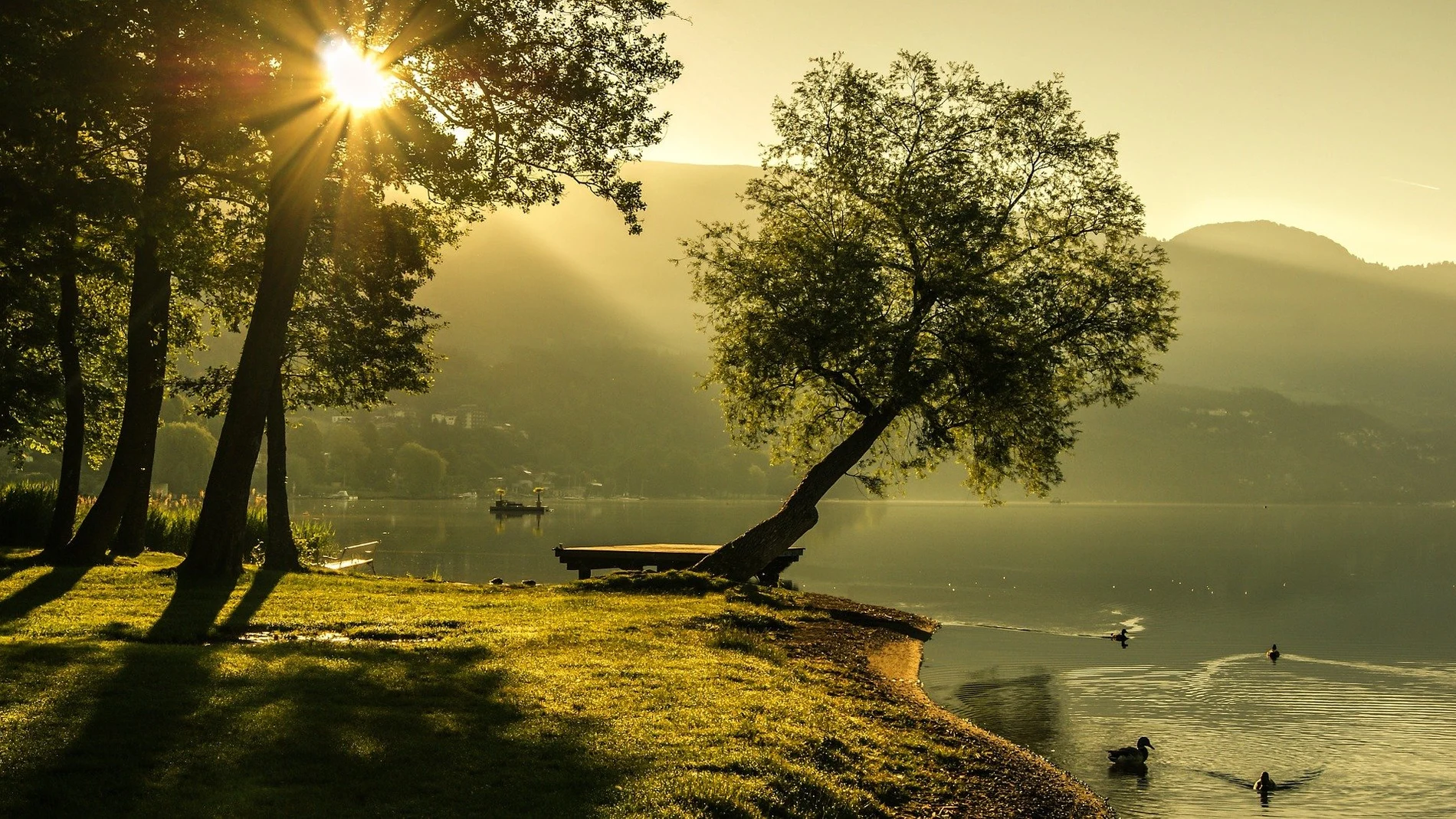
This represents the stage of maturity and preparation for the cold, where the days begin to shorten noticeably and temperatures gradually drop. The most visible change occurs in the vegetation; deciduous trees stop producing chlorophyll, causing their leaves to change to reddish, ochre, and golden tones before falling to conserve energy.


Winter
It is the coldest season of the year, defined by the shortest days and longest nights, as the hemisphere is at its greatest tilt away from the sun. The low temperatures, which often bring frost and snow, many plants completely stop growing, and animals slow their metabolism by hibernating or seeking shelter, transforming the landscape into a serene and austere environment designed to endure until the next cycle.

